 Pin it
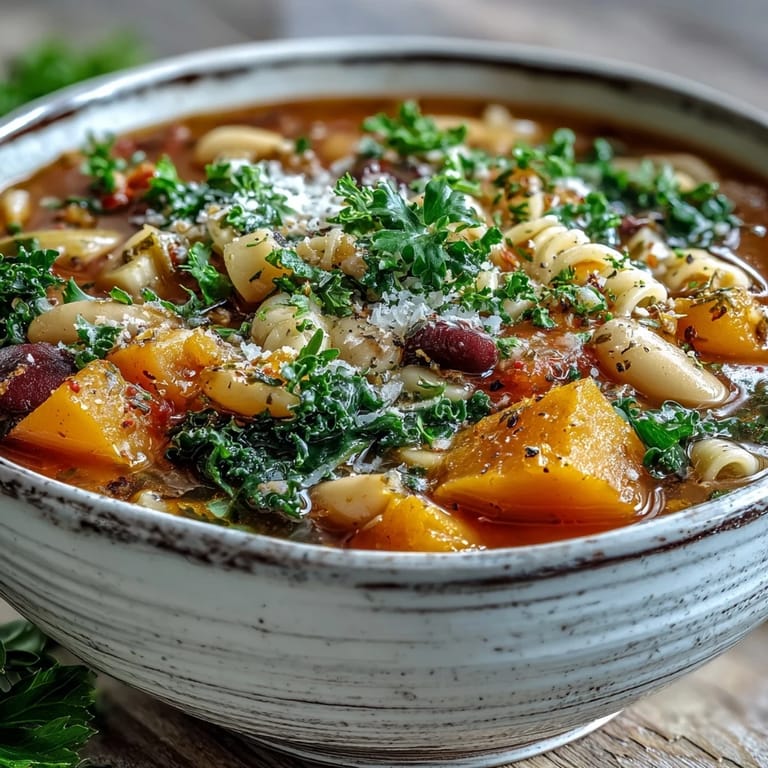
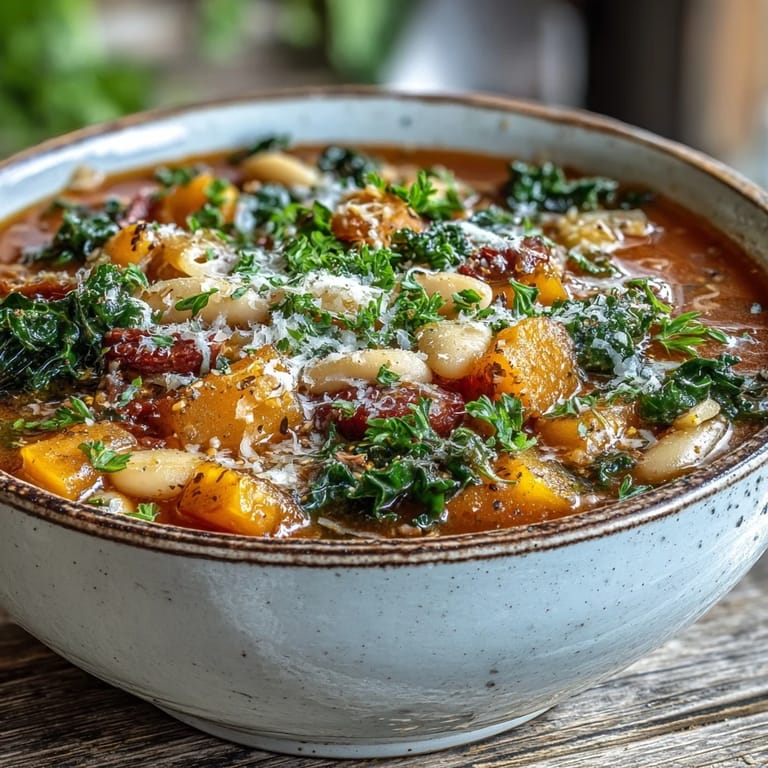
 There's something about ladling a bowl of minestrone on a gray afternoon that feels like wrapping yourself in comfort. My neighbor Maria handed me a steaming mug of her version one November, and I watched the butternut squash catch the light like little golden jewels suspended in tomato-red broth. That sip changed how I thought about vegetable soup—it wasn't just sustenance, it was a moment of pause. I've been chasing that feeling ever since, tweaking and tinkering until I landed on this version that lives permanently in my winter rotation.
I made this for my book club last January when we were all tired and the roads were icy. One guest said it tasted like someone had figured out how to bottle winter and make it delicious. She had three bowls and then asked if she could take the leftovers home. Cooking something that lands that way—when people's faces genuinely light up—that's when you know you've created something worth keeping.
Ingredients
- Olive oil: Use a decent quality oil you actually enjoy tasting, because it carries flavor through the whole pot.
- Yellow onion, carrots, and celery: This is your flavor foundation, the holy trinity that Italian cooks swear by for good reason.
- Garlic cloves: Fresh is non-negotiable here—that minute of cooking releases oils that perfume your entire kitchen.
- Butternut squash: Peel and dice it while it's still slightly firm, and don't stress about perfect cubes; roughly even-sized pieces cook at the same rate.
- Zucchini: Adds body without overpowering, and it cooks down softly.
- Fresh kale: Strip those leaves from the woody stems and tear them into bite-sized pieces; they'll wilt down considerably.
- Diced tomatoes: Canned is perfectly fine and often better than fresh in winter; use whole peeled if you prefer to crush them yourself.
- Cannellini beans: Creamy and mild, they dissolve slightly into the broth and add a subtle richness.
- Small pasta: Ditalini or elbow macaroni won't overshadow the vegetables, and they cook in the right timeframe.
- Vegetable broth and water: The ratio matters; pure broth can taste one-note, but water dilutes it too much.
- Dried oregano, thyme, and rosemary: These three together create an Italian garden flavor that feels intentional and warm.
- Red pepper flakes: Optional but recommended; even a small pinch adds a whisper of heat that wakes up your palate.
- Fresh parsley: Stirred in at the end, it brightens everything and reminds you this soup is alive and fresh.
Tired of Takeout? 🥡
Get 10 meals you can make faster than delivery arrives. Seriously.
One email. No spam. Unsubscribe anytime.
Instructions
- Build your flavor base:
- Heat olive oil over medium heat and add your diced onion, carrots, and celery. Let them soften for 5 to 6 minutes, stirring occasionally, until they start to turn golden at the edges and the whole kitchen smells like cooking beginning.
- Bloom the garlic:
- Stir in minced garlic and cook for just 1 minute—you want it fragrant and pale, never brown and bitter. This is a quick step but absolutely essential.
- Introduce the squash and zucchini:
- Add your diced butternut squash and zucchini, stirring to coat them with oil. Cook for 4 to 5 minutes, letting them start to soften and release their flavors.
- Build the broth:
- Pour in the canned tomatoes with their juices, then add your vegetable broth and water. Stir well and bring the whole pot to a gentle boil.
- Season and simmer:
- Stir in your oregano, thyme, rosemary, and red pepper flakes if using. Lower the heat and let it simmer uncovered for about 15 minutes, allowing the flavors to meld and the squash to become tender enough to break with a wooden spoon.
- Add the beans and pasta:
- Drain and rinse your cannellini beans, then add them to the pot along with your small pasta. Simmer for 8 to 10 minutes until the pasta is tender and the squash is completely soft.
- Finish with kale:
- Stir in your torn kale and cook for just 2 to 3 minutes until it's wilted and deep green. This happens faster than you'd expect.
- Taste and adjust:
- Remove from heat and taste carefully. Add salt and pepper gradually, tasting as you go, because broth varies in saltiness and you might need more or less than you think.
- Serve with intention:
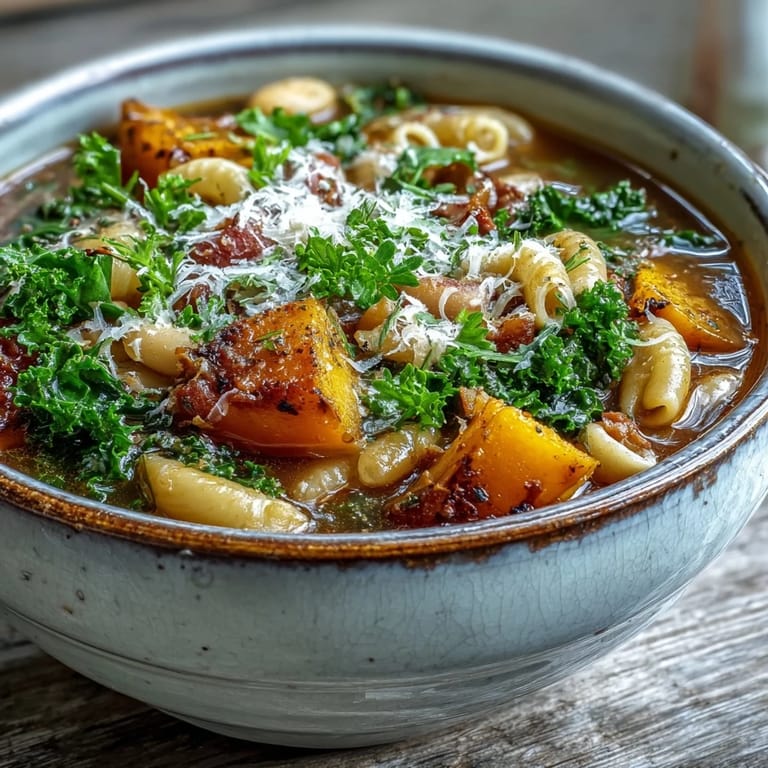
- Stir in your fresh chopped parsley right before ladling into bowls. Top with Parmesan if you like, a crack of black pepper, and maybe a drizzle of your best olive oil.
 Pin it
  Pin it
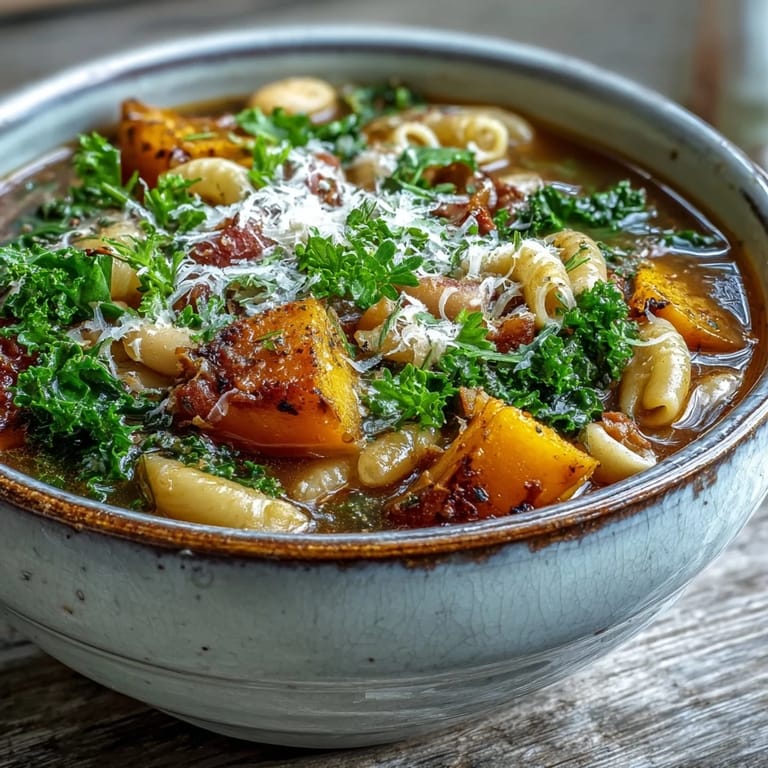
 My daughter once said this soup tasted like autumn and winter were having a conversation in a bowl. That's when I realized I'd stopped thinking of it as just a recipe and started thinking of it as a way to gather people around the table when everything outside feels cold and uncertain. Food does that sometimes—it becomes a small act of tenderness.
Why This Soup Tastes Even Better Tomorrow
Minestrone is one of those dishes that actually improves overnight. The vegetables continue to soften, and the flavors deepen as everything gets better acquainted. If you make this on a Sunday evening, Monday's lunch will taste noticeably richer and more developed. Just store it in an airtight container in the fridge for up to 4 days, and reheat gently on the stovetop, adding a splash of water if it's thickened too much.
Variations and Substitutions
The beauty of minestrone is that it genuinely welcomes changes based on what you have on hand or what you're craving. I've swapped the butternut squash for pumpkin, used green beans instead of zucchini, and even thrown in diced bell peppers when I had them. The soup stays true to itself even when you improvise, which is rare and wonderful. For vegan versions, skip the Parmesan or use a good cashew-based alternative, and the soup loses nothing in translation.
Pairing and Serving Suggestions
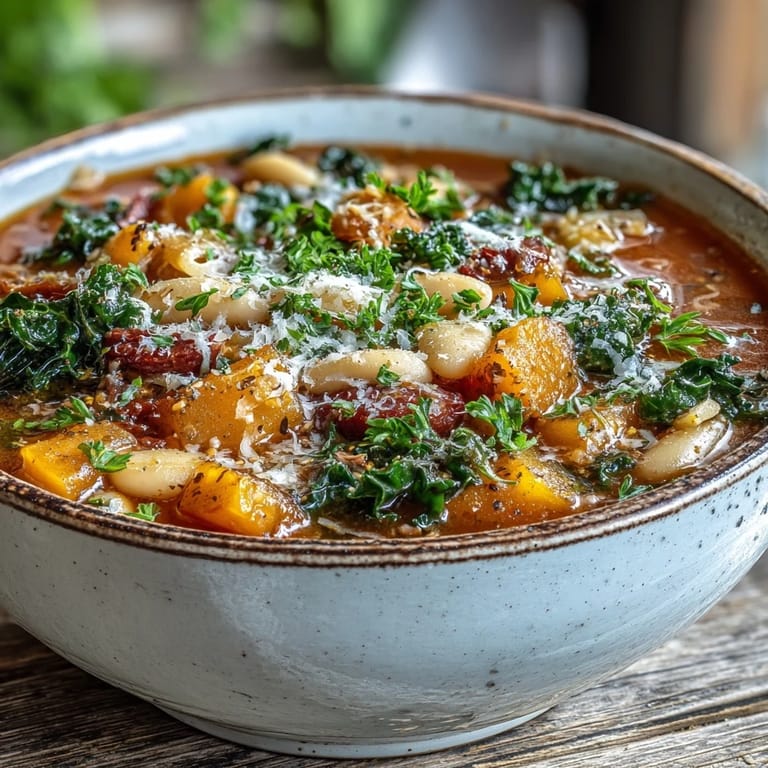
Serve this with the thickest, crustiest bread you can find—something you can drag through the broth and let it soak up all that flavor. A wedge of crusty focaccia, a hunk of ciabatta, or even thick sourdough toast works beautifully. If you're in a wine mood, a crisp Pinot Grigio or Vermentino cuts through the richness without competing with the vegetables.
- Try adding a Parmesan rind to the pot during the last 15 minutes of simmering for an extra layer of umami depth.
- Finish each bowl with a tiny drizzle of your best olive oil and fresh cracked pepper just before serving.
- If you make this ahead, store it without the pasta and add fresh pasta when you reheat, so it doesn't get mushy.
 Pin it
  Pin it
 This soup asks so little of you and gives back so much warmth. Make it, share it, and watch how it becomes the thing people remember about that cold season.
Recipe FAQs
- → Can I make this soup ahead of time?
Yes, this minestrone tastes even better the next day. Store it in an airtight container in the refrigerator for up to 4 days. Note that the pasta will absorb liquid, so add extra broth when reheating.
- → What can I substitute for butternut squash?
Sweet potato, acorn squash, or pumpkin work wonderfully as alternatives. Cut them into similar-sized cubes to ensure even cooking with the other vegetables.
- → How do I make this soup vegan?
Simply omit the Parmesan cheese or use a dairy-free alternative. The soup is already plant-based otherwise, with rich flavor from the vegetables and herbs.
- → Can I freeze leftover minestrone?
Yes, but it's best to freeze it before adding the pasta. Cook the pasta fresh when reheating, as frozen pasta can become mushy. Freeze in portions for up to 3 months.
- → What type of pasta works best?
Small pasta shapes like ditalini, elbow macaroni, small shells, or orzo are ideal. They're easy to spoon and complement the vegetables without overpowering the soup.
- → How can I add more protein to this soup?
Increase the beans, add chickpeas, or stir in cooked Italian sausage or shredded chicken. White beans like Great Northern or navy beans work particularly well.