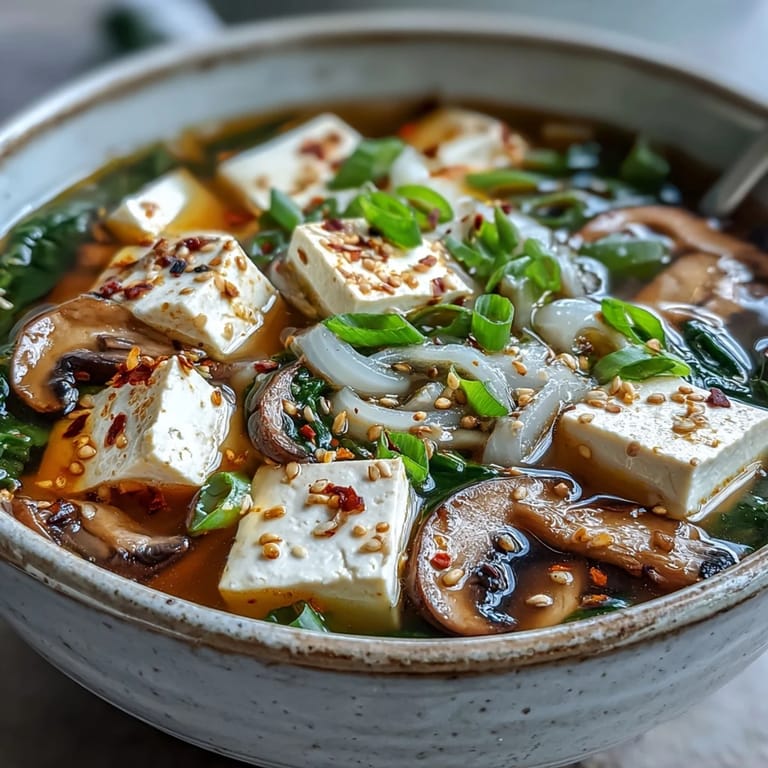
 Pin it
 There's something about a steaming bowl of ginger-miso soup that stops you mid-winter day and reminds you why warmth matters. I discovered this recipe during a particularly gray January, when my kitchen felt like the only bright spot in the neighborhood, and the aroma of ginger and garlic simmering in broth seemed to dissolve the chill from my bones. What started as an attempt to use up vegetables in my crisper drawer became something I now make whenever someone needs comfort without heaviness. The simplicity of it surprised me most—just a few pantry staples and ten minutes of prep create something that tastes like it took hours.
I made this for my partner during his first week of dealing with seasonal sluggishness, and he asked for it three nights running. There's a particular satisfaction in watching someone's shoulders relax as they wrap their hands around a warm bowl, and ginger-miso soup seems to do exactly that. The way the steam rises and carries that distinctive ginger scent—it becomes a small ritual rather than just eating.
Ingredients
- Water or low-sodium vegetable broth (6 cups): Use broth if you want extra flavor from the start, though water works beautifully too and lets the ginger and miso take center stage.
- Fresh ginger (2-inch piece, thinly sliced): Don't peel it—the skin holds flavor and nutrition, plus it looks prettier floating in your bowl.
- Garlic cloves (2, thinly sliced): Thin slices mellow out more gracefully than minced garlic, giving you pockets of gentle flavor rather than sharp bursts.
- White or yellow miso paste (2 tablespoons): This is your umami secret; keep it away from boiling heat or you'll lose the probiotic benefits that make miso special.
- Napa cabbage (1 cup, thinly sliced): It softens in minutes and adds a delicate sweetness that balances the funk of miso beautifully.
- Carrot (1 medium, julienned): Julienning takes two extra minutes but makes them cook faster and look more intentional in the bowl.
- Shiitake mushrooms (1 cup, sliced): Their earthy richness feels like it belongs in this soup; they're worth seeking out over button mushrooms if you can.
- Scallions (2, sliced): Add these at the very end so they stay bright and provide a little textural contrast to the soft vegetables.
- Toasted sesame seeds (1 tablespoon): Toast them yourself in a dry pan for thirty seconds if you have the time—the flavor difference is genuinely noticeable.
- Fresh cilantro or parsley (1 tablespoon, optional): Cilantro gives herbal brightness, parsley is more subtle; choose based on your mood.
- Chili oil or chili flakes (optional): A whisper of heat wakes up the whole bowl without overwhelming the delicate flavors.
- Silken tofu (200 g, cubed, optional): It adds protein and a silky texture without changing the soup's personality.
- Soba or rice noodles (100 g, cooked, optional): Soba has a nutty flavor that complements the ginger; rice noodles keep things lighter.
Tired of Takeout? 🥡
Get 10 meals you can make faster than delivery arrives. Seriously.
One email. No spam. Unsubscribe anytime.
Instructions
- Warm your broth gently:
- Pour your water or broth into a large pot and let it come to a gentle simmer—you want occasional bubbles, not a rolling boil.
- Build the flavor foundation:
- Add your sliced ginger and garlic to the simmering broth and let them infuse for ten minutes. Your kitchen will smell incredible, and you'll notice the broth turning slightly golden.
- Add your vegetables:
- Drop in the napa cabbage, carrots, and shiitake mushrooms, letting them simmer for five to seven minutes until they're tender but still have a little personality. Taste a carrot slice to know when they're ready.
- Dissolve the miso carefully:
- Remove the pot from heat—this is important. Spoon some hot broth into a small bowl with your miso paste, whisking until it's completely smooth with no lumps. Pour this mixture back into the pot and stir gently.
- Finish with optional ingredients:
- If using tofu and noodles, add them now and let everything warm through for about two minutes, just until heated through.
- Serve with intention:
- Ladle into bowls and top with scallions, sesame seeds, fresh herbs, and a drizzle of chili oil if you're feeling it. Serve immediately while the steam is still rising.
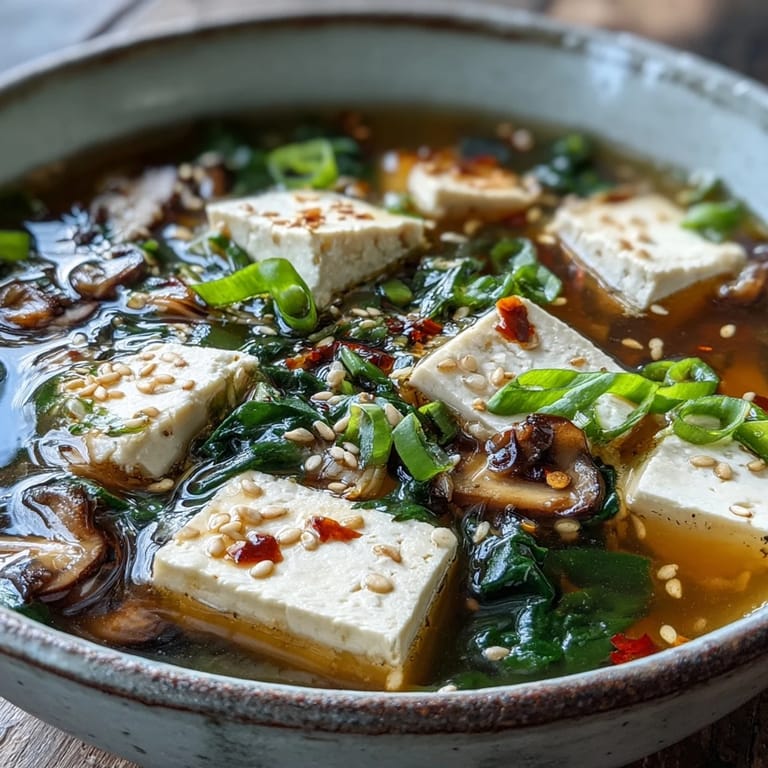 Pin it
 This soup has become my emergency meal, the thing I make when I'm tired or someone I care about needs a little help getting through a tough day. There's something deeply grounding about standing at the stove, watching vegetables soften and ginger release its golden warmth into clear broth.
The Magic of Miso
Miso is one of those ingredients that tastes like umami in a jar—that savory, mouth-filling depth that makes people pause and ask what you put in this. White and yellow misos are milder and slightly sweet, which is why they work so well in a delicate soup like this rather than the heavier red varieties. I learned by accident that dissolving miso in hot broth first (rather than dumping it directly into the pot) makes all the difference in texture and flavor distribution.
Vegetable Swaps and Variations
The beauty of this soup is that it adapts to whatever you have. Bok choy wilts beautifully at the last moment, spinach adds earthiness, and daikon brings a gentle sweetness and crispness. I've made this with enoki mushrooms when shiitakes weren't available, and with button mushrooms in a pinch—they're less flavorful but still perfectly acceptable. Once you understand the formula—aromatic broth plus soft vegetables plus miso finish—you can build your own version.
- Swap shiitake for enoki or button mushrooms without changing the cook time significantly.
- Add bok choy, spinach, or daikon for different textures and flavor profiles.
- Consider adding a dash of soy sauce or tamari after the miso for extra depth if you're in the mood.
Pairing and Serving Suggestions
I've served this alongside a simple green salad on nights when I wanted something fresh, and it pairs unexpectedly well with crispy tofu or a piece of crusty bread to soak up the last of the broth. A cup of green tea afterward feels natural, or if it's evening, a dry white wine echoes the soup's delicate, warming quality. The meal becomes this moment of deliberate care rather than just refueling.
Making It Ahead
You can prepare everything—slicing ginger and vegetables, measuring miso—the morning of, which means lunch or dinner comes together in minutes. The broth itself keeps for three days refrigerated, and you can reheat it gently and add fresh vegetables or noodles each time. I don't recommend adding the miso until just before serving, as it tastes fresher that way and keeps its probiotic magic intact.
- Prep all vegetables the night before and store them separately in the fridge.
- Keep your miso paste sealed tightly; it lasts for months and becomes more valuable the longer you cook.
- Reheat the broth gently and always add fresh miso at serving time rather than reheating it with the soup.
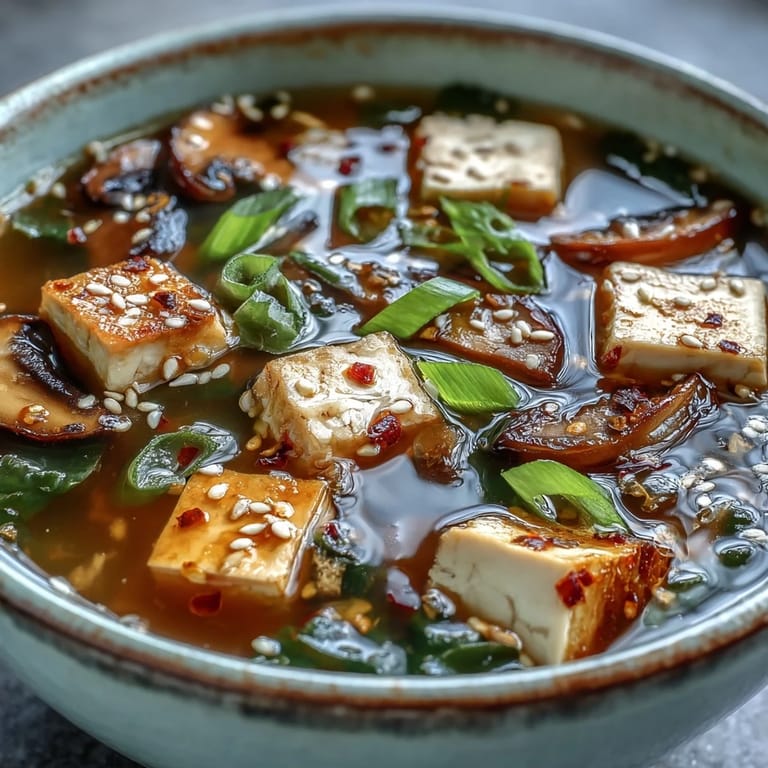 Pin it
 This ginger-miso soup has taught me that the simplest meals often carry the most warmth. Make it whenever you need something that tastes like someone is looking out for you.
Recipe FAQs
- → Why should I add miso off the heat?
Adding miso paste off the heat preserves its beneficial probiotics and enzymes. High temperatures can destroy these gut-friendly properties, so whisking miso into warm (not boiling) broth ensures you get both the flavor and health benefits.
- → Can I use different types of miso?
Yes, you can experiment with red miso for a deeper, stronger flavor or awase (mixed) miso for a balanced taste. Keep in mind that darker miso varieties are saltier, so you may want to adjust the amount accordingly.
- → What vegetables work best in this soup?
Beyond the suggested napa cabbage, carrots, and shiitakes, try bok choy, spinach, daikon radish, or winter squash. These vegetables absorb the ginger-miso broth beautifully and add variety in texture and nutrients.
- → How can I make this soup more filling?
Add silken tofu cubes for protein or cooked soba noodles, rice noodles, or even brown rice for substance. You can also increase the vegetable quantity or add a soft-boiled egg for extra richness.
- → Can I freeze this soup?
It's best to freeze the soup before adding miso. Prepare the ginger-infused broth with vegetables, cool completely, then freeze. When ready to serve, thaw, reheat, and whisk in the miso paste off the heat.